How Comcast Clipped the Peacock's Wings
A first-person narrative of late-night digital pioneers at NBC and the corporate transition under Comcast.
It was 2:00 AM at the Burbank digital capture desk.
The tape deck clicked and whirred. The early 2000s capture cards hummed in their metal chassis. The room smelled of warm circuit boards and stale coffee. I sat in the dim light. I was the low man on the totem pole.
My job was simple. I captured video highlights from NBC broadcast shows. Then I uploaded those clips to NBC.com.
The Creative Frontier
As digital media evolved, I moved up. I worked directly with showrunners.
We wanted to define network storytelling online. It was a chaotic, exciting time. Our small team was led by digital pioneers: Steve Andrade, Josie Ventura, Carole Panick, and Julie Nugent.
We were building more than a website. Between 2004 and 2007, we launched games, companion apps, and interactive series. We built extensions of the broadcast worlds.
On October 1, 2006, we launched NBC Rewind. It was a full-length episode player. It proved consumers wanted long-form TV online. By January 2007, most users watched missed broadcast episodes. Others discovered new shows.
In months, millions of unique users streamed full episodes. We streamed Heroes, 30 Rock, and Friday Night Lights. I helped build the applications that powered this transition.
In Fall 2007, we launched our first immersive digital campaign slate. We built The Office 360. Users registered as Dunder Mifflin employees and completed tasks.
We expanded Heroes 360 with secret research files. We built Chuck's interactive brain layout. We built a replica of Billy's conspiracy wall for Life. I produced Coastal Dreams, our original 24-episode digital drama.
By 2008, we went beyond basic playback. Under Vivi Zigler, we rolled out online games and editorial integrations. We built the Heroes Evolution online mythology. We launched a digital Bonfire Magazine for Lipstick Jungle. We designed custom interactive widgets like the virtual KITT car. We proved that web properties could be immersive extensions of prime-time storytelling.
The Viral Shift
Then came the moment that changed everything.
In 2005, SNL released the "Lazy Sunday" digital short. The creators did not upload it to NBC.com. They uploaded it to a new site called YouTube. It went viral in hours.
I was at my capture desk. I was still using our slow, internal publishing pipeline. I watched the YouTube view count explode. Our official systems could not keep up. The internet was moving too fast.
Instead of evolving, NBC got cautious.
In 2011, Comcast acquired NBCUniversal. That was the turning point. The culture shifted.
What was once a team of builders became a case study. A study in corporate consolidation. The priority moved from innovation to monetization. Control replaced collaboration.
Comcast brought in a consultant. His goal was simple. Scale down the creative team, simplify the roadmap, and maximize profit. Under his direction, the digital content group was gutted. What we built over nearly a decade was dissolved in months. The spirit of experimentation vanished. The site was reduced to a holding page for reruns.
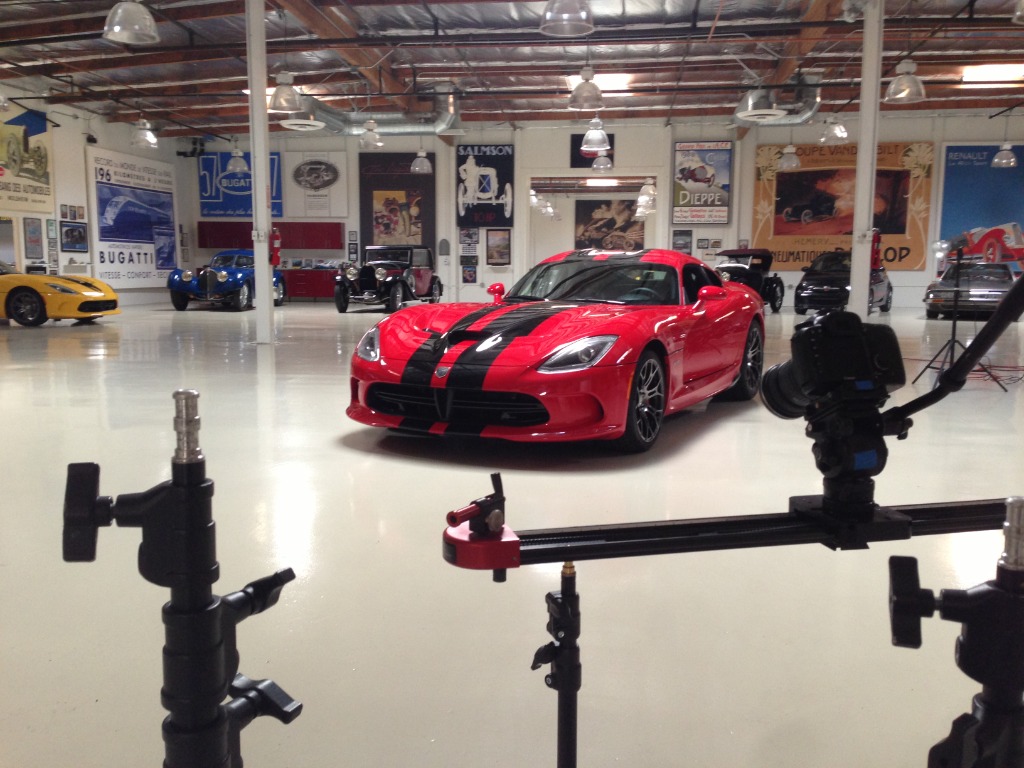
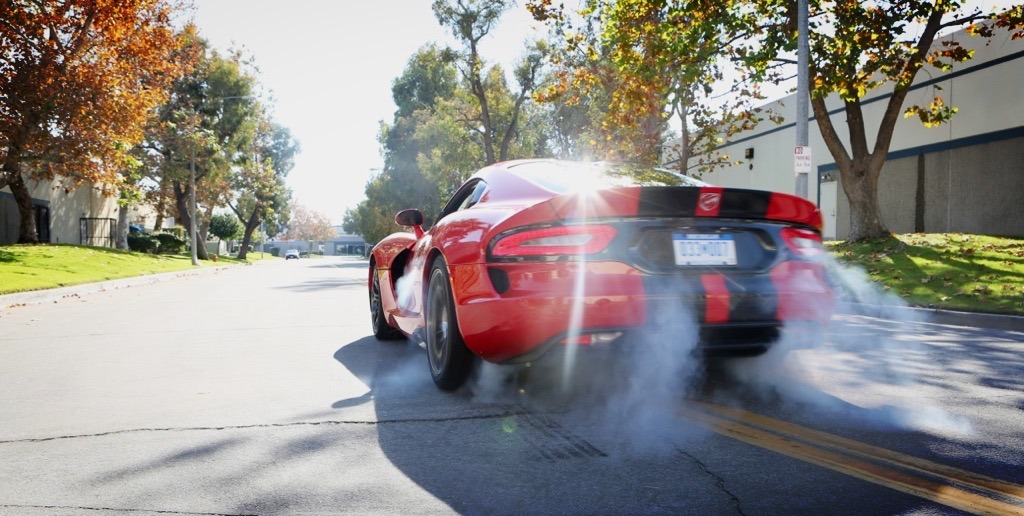
Before I left in 2014, I helped launch Jay Leno's Garage. I helped with the online rollout of Jimmy Fallon's Tonight Show. These shows succeeded because they were built for the new media landscape. We knew what we were doing. But the momentum had shifted. The company saw digital as a cost center, not a creative frontier.
NBC had the audience, the IP, and the opportunity to lead. But they missed it. YouTube embraced creators. NBC pulled back. One became the future. The other became a case study in missed opportunity.
I look back on those years with pride. We did not get everything right, but we had vision. We believed in the potential of what we were building. I see echoes of our ideas in the platforms thriving today. It could have belonged to NBC, if they had just let it grow.